FREE sourcing support for qualified business buyers, with eligible support of up to 3%.

Purchase-decision framework

Best Moped Choices Depend on Powertrain Readiness

“Best” is not a universal model claim. For business procurement, it means the offered gasoline or electric configuration can be evaluated against a defined route, load, service plan, energy access, quantity, destination, and evidence requirement. MopedMatch Procurement helps structure this comparison without promising performance or approval.

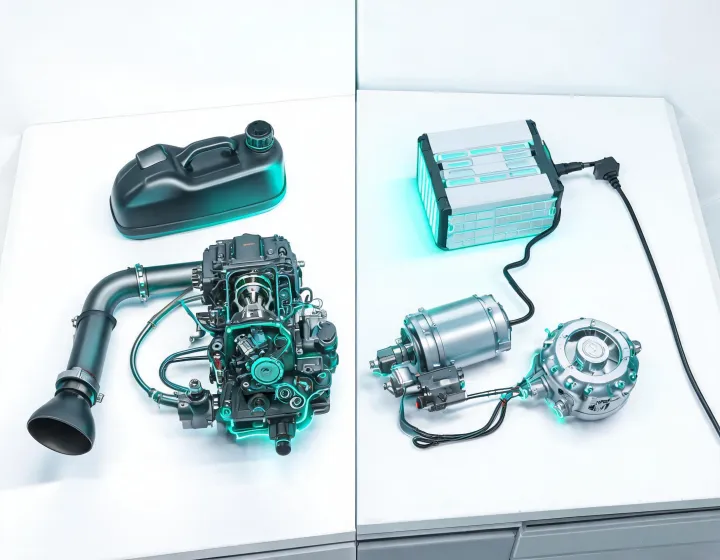
Gasoline and electric moped powertrain comparison
InputFuel, usable kWh, connector, supply
DutyLoad, route, speed, climate, hours
SupportParts, diagnostics, documents, training

Powertrain matrix

Confirm fields that change cost, operation, and evidence

Gasoline input

Capture displacement, fuel system, transmission, tank capacity, starting system, emissions-document scope, service interval, model year, and local fuel availability. Ask whether quoted accessories and spare parts match the exact engine and vehicle configuration.

Limitation: an engine-family document or stated maximum does not establish applicability to the quoted moped or its US destination.

Electric input

Separate nominal from usable battery capacity. Record motor and controller ratings, battery chemistry, removable or fixed pack, charging connector, AC input and charging power, charger inclusion, thermal limits, and battery replacement path.

Limitation: test-cycle range is not guaranteed route range; load, speed, stops, grade, temperature, tire pressure, accessories, and battery condition matter.

Commercial and service input

Compare MOQ, prototype or sample scope, configuration split, tooling or graphics charges, spare-parts package, manuals, diagnostics, warranty terms offered by the supplier, inspection, packing, Incoterm, freight, and destination exclusions.

Limitation: final price and lead time require a current, configuration-specific quotation and buyer acceptance of its exclusions.

Duty-to-system fit

Powertrain readiness is a chain, not one headline specification

Route and energy profile

Map daily distance, stop frequency, gradient, rider and cargo load, speed environment, temperature, storage, and operating hours. For electric vehicles, add supply voltage, connector, charger location, dwell time, and contingency charging. For gasoline vehicles, add fuel access, storage, and service capacity.

Vehicle and maintenance profile

Compare braking, wheel and tire dimensions, suspension, payload basis, lighting, controls, ingress exposure, consumables, diagnostic method, service manuals, recommended intervals, parts availability, and responsible service parties. A low purchase price with unclear parts and service scope is not a complete comparison.

Evidence and landed-cost profile

Request the exact-model specification, battery or engine records, quotation validity, customization approvals, inspection criteria, packing, document index, inland logistics, freight, and destination exclusions. Compare all offers on one currency, Incoterm, quantity, destination, and required-document basis.

Bring the route, load, energy access, and reference configuration

We will turn those inputs into clarification questions for candidate factories. Alternative configurations remain subject to buyer review, exact-model evidence, and destination-specific acceptance.

Request a Powertrain Comparison